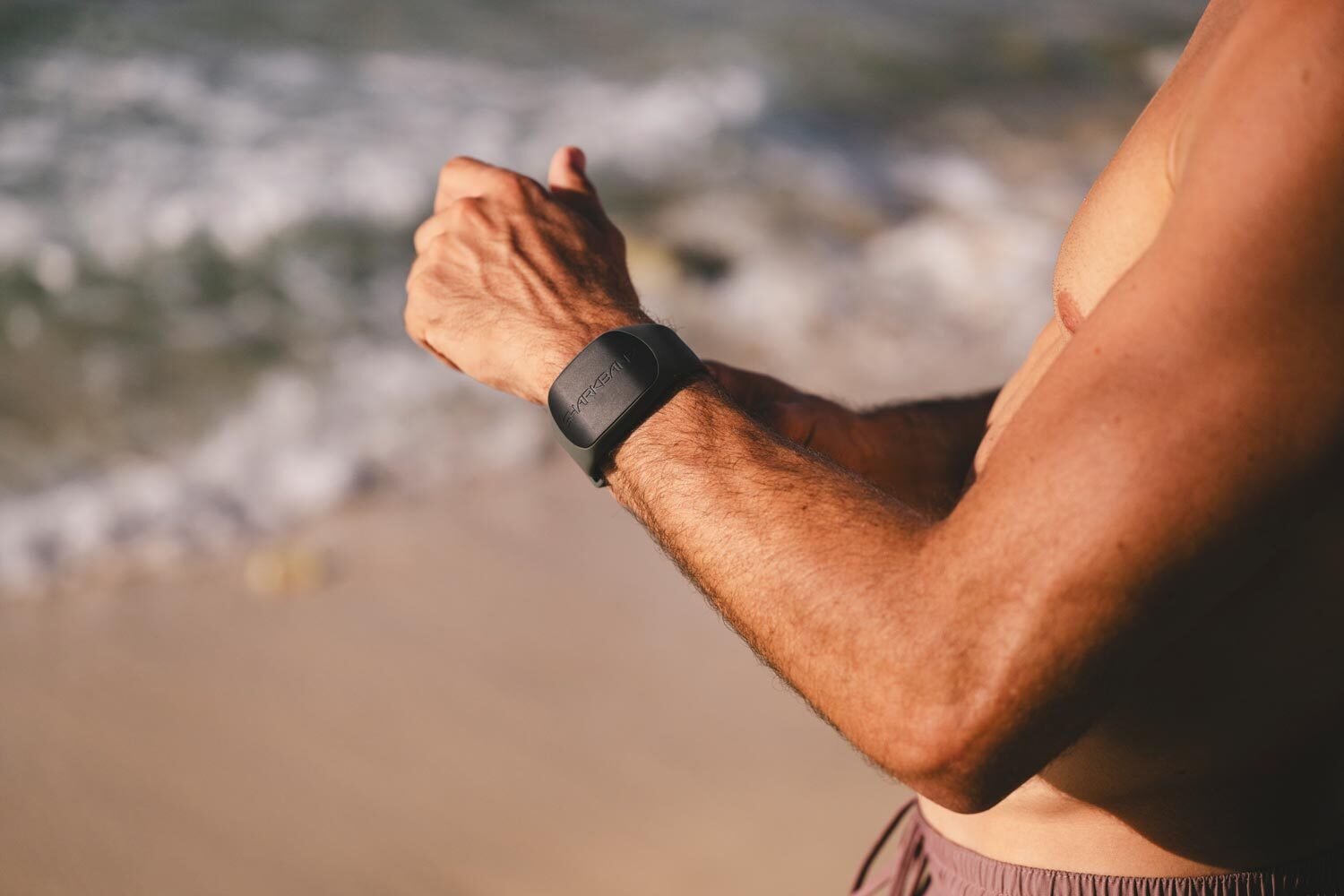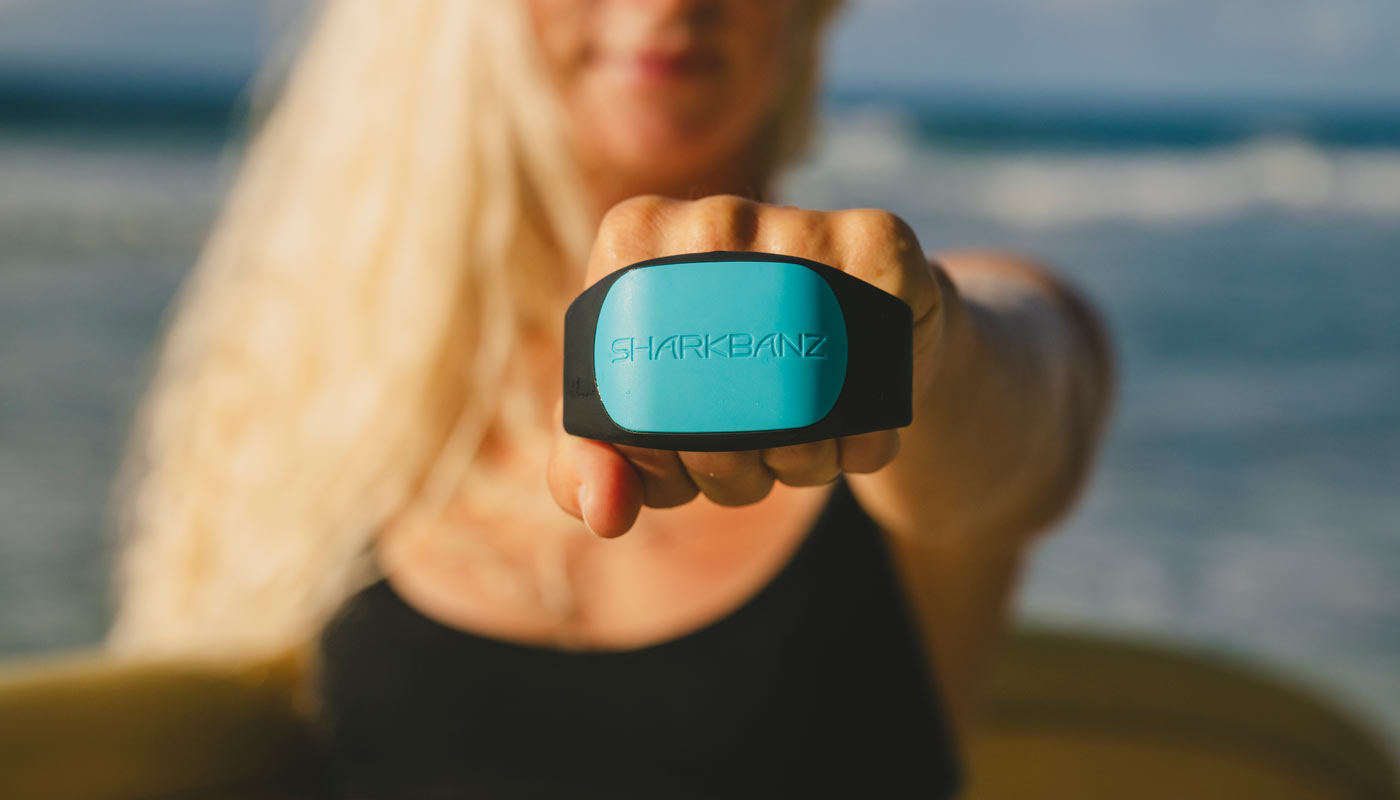



Shark encounters remain rare, but they weigh heavily on anyone who spends time in the ocean. The International Shark Attack File recorded 65 unprovoked bites worldwide in 2025, with the United States (25) and Australia (21) reporting the highest numbers of incidents. For swimmers, surfers, divers, and families visiting beaches, the question is which shark deterrent technology best fits their needs and what the evidence supports.
Modern shark deterrents use magnetic fields or electric pulses to affect sharks' electroreceptive organs, the ampullae of Lorenzini. These sensory pores detect weak electrical signals in the water, helping sharks locate prey. Under certain conditions, strong induced electrical signals can trigger avoidance behavior in some sharks. Think of it like a car's seatbelt: seatbelts cut fatal injury risk for front-seat passenger car occupants by about 45%, and nobody calls them useless because they do not prevent every injury. A shark deterrent works as one layer in a broader ocean safety approach.
This guide covers the best shark deterrents available in 2027, including magnetic wearables for swimmers, activity-specific electric and fishing deterrents, visual decals, and important market updates about products no longer available.
Key Takeaways
- Magnetic shark deterrents like the Sharkbanz 2 provide an always-active magnetic field with zero batteries or charging, making them a practical choice for recreational swimmers and families.
- Electric deterrents can create larger protective fields but require charging and cost significantly more.
- Independent government research found shark deterrent devices reduced the estimated probability of shark depredation by up to 65% in recreational fishing applications. These findings do not directly establish reduced human shark-bite risk.
- Ocean Guardian (Shark Shield) ceased operations, and its original products are no longer available despite the website remaining online.
- Imitation "shark deterrent bands" sold on online marketplaces may lack the magnetic strength and scientific testing needed to substantiate their claims. Purchase from authorized retailers or directly from manufacturers.
- No deterrent guarantees complete protection. Combine deterrent technology with awareness of conditions, avoiding murky water, dawn and dusk sessions, and areas near bait schools or fishing activity.
How Does Magnetic Shark Deterrent Technology Work?
Magnetic shark deterrents target the ampullae of Lorenzini, specialized electroreceptive organs sharks use to detect weak electrical fields. Sharkbanz uses powerful permanent magnets to create a localized magnetic field. When a shark moves through this field, electromagnetic induction can generate electrical signals detectable by these organs.
The unusually strong stimulus may startle a shark and cause it to turn away, similar to a bright light suddenly shining in someone's eyes in a dark room. Relative movement between the shark and magnet is essential to this proposed mechanism. The magnetic field itself is always present, requiring no batteries or charging.
The technology draws on over 20 years of scientific research into magnetic shark deterrence. Studies have documented avoidance behavior in bull sharks, sandbar sharks, hammerheads, blacktips, grey reef sharks, and other species. Responses vary by species, magnetic configuration, device placement, and testing conditions.
Sharkbanz reports an effective deterrent field extending approximately 3 to 6 feet (1 to 2 meters) from each device. Magnetic field strength decreases rapidly with distance, approximately following an inverse-cube relationship in the far field. This limits the potential deterrent effect to the immediate vicinity of the device.
Because the magnetic field weakens rapidly with distance, Sharkbanz is not expected to attract sharks from afar. The technology is designed to influence sharks and rays through their electroreception without physically harming them. Other marine animals are not expected to respond in the same way, although effects across all species have not been comprehensively established. The magnets should also be kept away from compasses and sensitive electronics.
What Scientific Research Supports Sharkbanz Technology?
Government-funded research, university studies, and preliminary academic findings provide evidence that magnetic deterrents can influence shark behavior under specific testing conditions, when devices are positioned correctly:
- Western Australia DPIRD (2020 to 2021): Government-funded DPIRD research reported up to a 65% reduction in the estimated probability of fish being taken by sharks when deterrent devices were used across the recreational fishing trials. At the Montebello Islands, depredation fell from 40% without a deterrent to 20% with the Sharkbanz Sentry, now sold as Zeppelin. Rates reached as low as 12% with another tested device. These findings concern hooked fish, not measured reductions in human shark-bite risk.
- Florida Atlantic University (2024): A master's thesis analyzed 3,060 shark observations across 20 hours of baited underwater footage involving bull, sandbar, silky, and lemon sharks. The Sharkbanz Zeppelin produced avoidance behavior during 21.7% of in-range approaches, compared with 2.6% for a non-magnetic dummy. Bull sharks bit the control bait nine times and the magnet-protected bait zero times. Lemon sharks showed limited responses, and approximately three-quarters of in-range approaches produced no visible avoidance. The study was funded by the Colgan Foundation, with devices supplied by Sharkbanz.
- Texas A&M University-Corpus Christi (2026): Preliminary master's thesis seminar findings reported 41 recreational reef-fishing trips comparing active and inactive Sharkbanz Zeppelin devices. Sharks accounted for 88% of identified depredation events, with no shark depredation recorded when the active Zeppelin was used. Catch rates for target fish species did not differ significantly between treatments.
What Should Swimmers Look for in a Shark Deterrent?
The best shark deterrent for your needs depends on how you use the ocean, how much maintenance you will accept, and what level of scientific validation matters to you. Here are the key criteria:
Technology Type
- Magnetic deterrents use permanent magnets to generate a localized magnetic field. They require no batteries or charging, and their magnetic field is always present.
- Electric deterrents use battery-powered pulses to create a larger protective field. They need charging before use and may have depth limitations.
Scientific Validation
Look for products backed by peer-reviewed research or independent government studies. Some manufacturers cite only internal testing. The strongest evidence comes from university studies and government research programs that test products under controlled conditions.
Effective Range
Sharkbanz magnetic deterrents have a stated effective range of approximately 3 to 6 feet from the device. Some electric deterrents can create fields up to 6 meters in diameter. Consider whether you need localized deterrence or a broader field.
Maintenance Requirements
Battery-powered devices need regular charging, electrode cleaning, and eventual battery replacement. Magnetic devices require no maintenance beyond occasional rinsing and inspection for wear.
Depth Rating
Swimmers and casual snorkelers rarely need deep ratings, but divers should verify depth compatibility. The Sharkbanz 2 is rated to 100 meters, while electric devices vary.
Species Effectiveness
No deterrent works equally well on all shark species. Research has documented magnetic deterrent responses in bull sharks, sandbar sharks, blacktips, and hammerheads under specific conditions. White sharks have responded to electric deterrents in some studies, but may still investigate in highly motivated or high-speed encounters.
1) Sharkbanz 2
The Sharkbanz 2 is a widely used magnetic shark deterrent, with Sharkbanz reporting over 200,000 users across multiple continents. At USD 138, it offers a combination of scientific research, convenience, and affordability for swimmers, snorkelers, surfers, and families.
Why It Fits Swimmers
The Sharkbanz 2 uses patented permanent magnet technology to create a localized magnetic field. When sharks move through this field, electromagnetic induction may generate electrical signals detectable by their electroreceptive organs. Marine biologists compare the potential sensation to a bright light shining in your eyes in a dark room. The device requires zero batteries or charging, and its magnetic field is always active, including before entering the water.
Key Features
- Price: USD 138
- Weight: 3 ounces
- Depth Rating: 100 meters (330 feet)
- Effective Range: Approximately 3 to 6 feet
- Warranty: 3 years
- Power: Always on, no batteries required
Scientific Backing: Government and University-Funded Studies
Research on magnetic deterrence supports the potential for Sharkbanz technology to influence shark behavior, although evidence varies across species and applications. A Sharkbanz-funded 2017 bull shark trial in Bimini, Bahamas, recorded 1,235 approaches to baited human-shaped models over 2 hours and 38 minutes. Sharks did not attack models equipped with Sharkbanz during treatment trials, while unprotected controls were attacked approximately every 46 seconds.
An independent analysis group at Coastal Carolina University reviewed the study footage and reported findings differing by less than 1% from the Sharkbanz team's analysis. These results demonstrate deterrent responses in a baited-model experiment, not guaranteed prevention of human shark bites.
The Western Australian Government DPIRD study tested multiple shark deterrent devices in recreational fishing applications. At the Montebello Islands, depredation on lines equipped with the Sharkbanz Sentry magnetic deterrent, now sold as Zeppelin, dropped from 40% to 20%, compared with lines without a deterrent. While fishing results do not directly measure human bite-risk reduction, they provide supporting evidence of shark avoidance behavior around magnetic deterrents.
A 2024 Florida Atlantic University thesis tested the Sharkbanz Zeppelin, which uses the same underlying magnetic technology, and found avoidance responses during 21.7% of in-range approaches versus 2.6% for a non-magnetic control. Bull sharks bit the control bait nine times and the magnet-protected bait zero times.
What to Consider
The Sharkbanz 2 fits ages 5 and up with a universal adjustable band. It comes in seven colorways including the Bethany Hamilton Signature Edition. The company recommends replacement every 4 years.
Limitations include a smaller stated effective range compared to some electric deterrents and limited evidence for preventing high-speed white shark ambush attacks. No product can stop every encounter, but for swimmers seeking a low-maintenance deterrent supported by species-specific research, the Sharkbanz 2 provides a practical additional layer of protection.
2) FCS x Sharkbanz POD
The FCS x Sharkbanz POD is a surf-specific magnetic deterrent developed in collaboration with FCS, a leading surf fin and leash manufacturer. At USD 120, it offers the same magnetic technology as the Sharkbanz 2 in a leash-mounted package.
Why It Fits Surfers
Surfers who prefer not to wear an ankle band can attach the POD to their existing surf leash via a neoprene pouch with velcro. The device can also be tucked into boardshorts for other activities. The FCS partnership signals surf industry adoption of shark deterrent technology.
Key Features
- Price: USD 120
- Weight: 2 ounces
- Technology: Same patented magnetic core as Sharkbanz 2
- Mounting: Attaches to surf leashes via a neoprene pouch
- Warranty: 1 year (replacement pouches available for USD 12)
Best Applications
The POD works for surfing, stand-up paddleboarding, bodyboarding, windsurfing, kitesurfing, and foiling. Because it uses the same magnetic technology, research on magnetic deterrence is relevant to the POD's underlying mechanism, although those findings do not independently establish its effectiveness in every surf encounter.
What to Consider
The POD is less versatile than the Sharkbanz 2 because it is designed primarily for leash attachment. Swimmers and divers who do not use a leash would benefit more from the wearable band. However, for dedicated surfers who want a discreet option, the POD offers the same battery-free magnetic technology at a lower price than Sharkbanz 2.
3) Sharkbanz Zeppelin
The Sharkbanz Zeppelin is magnetic shark deterrent tackle designed specifically for fishing. At USD 69.99, it is the most affordable entry point into Sharkbanz magnetic deterrent technology.
Why It Fits Anglers and Spearfishers
Shark depredation costs recreational anglers significant catch. A survey of 541 US saltwater anglers found 77% lost a fish to a shark in the past five years, with over half experiencing 20 or more incidents. The Zeppelin addresses this problem by aiming to deter sharks from hooked fish without significantly affecting target-species catch rates.
Key Features
- Price: USD 69.99
- Weight: 6.5 ounces
- Material: Biodegradable PLA construction
- Rigging Methods: Inline attachment, deployment after hookup, or attachment to fish bags and stringers
- Warranty: 1 year
- Award: Winner of ICAST 2021 Best Terminal Tackle
Scientific Backing
The Zeppelin (sold as "Sentry" in the study) was tested in the Western Australian Government DPIRD trial, an independent camera-monitored test of deterrents in recreational fishing. At the Montebello Islands, control lines lost 40% of hooked fish to sharks while lines with the magnetic deterrent lost 20%.
The FAU 2024 thesis found sandbar sharks showed avoidance behavior during 32.8% of in-range approaches to the Zeppelin versus 4.2% for the non-magnetic control. Bull sharks showed stronger bite-related results, with zero bites on magnet-protected bait versus nine on the control.
A Texas A&M University-Corpus Christi master's thesis seminar reported zero shark depredation events with active Zeppelin devices across 41 recreational fishing trips, while sharks accounted for 88% of identified depredation events overall. This is preliminary academic research, not a published peer-reviewed paper, but it provides additional supporting evidence under the tested conditions.
What to Consider
The Zeppelin is designed for fishing, not swimming. However, wade fishermen and spearfishers who carry stringers or fish bags can use the Zeppelin near their catch. For detailed rigging instructions, see the Sharkbanz fishing rigging guide.
4) Rpela V2 Pro
Rpela is an electric shark deterrent designed for installation on compatible surfboards. At approximately AUD 449, it is an option for surfers who want active electric deterrent technology.
Why It Fits High-Risk Surfers
Rpela uses electrical pulses to create a deterrent field around the surfboard. The V2 Pro is designed for recreational and professional surfers, including those visiting breaks with higher shark encounter rates, such as Réunion Island or Margaret River.
Key Features
- Technology: Electric (200V, 14.5Hz, 0.2ms pulse duration)
- Weight: 155 grams
- Power: USB fast-charge, water-activated
- Installation: Fitted to compatible surfboards
- Limitations: Board compatibility should be confirmed before installation
Testing Background
The original Rpela showed limited effect on white sharks in the 2018 Flinders University study. The V2 redesign showed a reported 66% reduction in bite probability across 46 controlled white shark trials, according to independently analyzed, manufacturer-commissioned testing. However, this result has not been established through a published, independently peer-reviewed study.
What to Consider
Rpela requires charging before use and periodic electrode cleaning. Installation requirements should be confirmed with the manufacturer. The device is intended for compatible surfboards rather than general swimming or diving use.
For everyday surfers and swimmers, a maintenance-free magnetic deterrent like the Sharkbanz 2 may be more practical. Rpela serves a different need: surfers who prefer an electric deterrent and can manage the charging and installation requirements.
5) Sentinel Ocean Systems Freedom8
The Sentinel Freedom8 is a wearable electric shark deterrent designed for divers, freedivers, and spearfishers. At a listed starting price of USD 599, it is an alternative for ocean users who prefer electric deterrent technology.
Why It Fits Divers
The Freedom8 builds on Shark Shield and Ocean Guardian electric deterrent technology. It is designed to create a protective electric field around the wearer, with a stated diameter of up to 6 meters.
Key Features
- Battery Life: 6 to 7 hours per charge, according to the manufacturer's specifications
- Charging Time: Approximately 3 to 3.5 hours
- Depth Rating: 50 meters (164 feet)
- Weight: 1,330 grams
- Warranty: 2 years
Technology Heritage
The underlying electric deterrent technology has been investigated in peer-reviewed research. A 2024 Scientific Reports study examined electrical deterrence in bull, tiger, and white sharks. The study reported changes in bite probability and shark behavior under controlled testing conditions.
These findings support the potential effectiveness of electrical deterrence but should not be interpreted as direct product-specific validation of the Freedom8 unless the tested device and its operating characteristics are equivalent.
What to Consider
The Freedom8 requires charging before each dive and has a stated 50-meter depth limit. At approximately USD 599, it costs significantly more than Sharkbanz magnetic options. Divers who want electric deterrence and can manage the maintenance may find value here, while recreational snorkelers and swimmers may prefer the simplicity of a magnetic wearable.
6) Shark Eyes
Shark Eyes is a visual shark deterrent that uses biomimicry eye-spot patterns intended to discourage shark approaches. With individual decals starting at approximately AUD 14.99 and larger decal options priced at AUD 29.99, it offers a relatively inexpensive complementary deterrent option.
Why It Complements Other Deterrents
Eye-spot patterns appear throughout the animal kingdom and can serve defensive functions. Shark Eyes decals are designed to mimic large eyes, potentially influencing how approaching sharks perceive the object.
The product was developed by big-wave surfer Shanan Worrall, drawing on observations of marine animals and visual defensive patterns.
Key Features
- Application: Adhesive decals for surfboards, kayaks, and underwater equipment
- Maintenance: None required
- Depth: Visibility depends on water clarity and available light
Limitations
There is limited published, peer-reviewed evidence establishing the effectiveness of Shark Eyes decals in preventing shark bites. The product draws on biomimicry principles and observations rather than extensive controlled testing of human shark encounters.
Effectiveness may depend on water clarity, lighting, approach direction, and shark species.
Recommended Approach
Consider Shark Eyes as a complementary visual measure alongside a researched magnetic or electric deterrent, rather than relying on the decals as standalone protection. Pairing visual decals with a Sharkbanz 2 combines two different deterrent approaches, although the effectiveness of that specific combination has not been established.
What Happened to Ocean Guardian Shark Deterrents?
Ocean Guardian, formerly Shark Shield, was one of the most scientifically studied electric shark deterrent brands. Its Freedom+ Surf device reduced bait-taking by approximately 60% in a 2018 study involving white sharks and stationary, baited surfboard replicas.
The same study found that neither the Sharkbanz band nor the Modom Shark Leash produced a measurable change in white shark behavior toward the baited boards. The researchers tested the devices with tuna bait beneath stationary surfboard replicas, positioning the magnetic devices approximately 30 to 40 cm away from and behind the bait. Sharkbanz has questioned how closely this setup represents normal wearable use and recommended device placement.
Lead researcher Dr. Charlie Huveneers later acknowledged that magnets can deter sharks and suggested that device placement may have influenced the results. Subsequent DPIRD fishing trials and FAU research documented magnetic deterrent responses under different testing conditions. However, these findings do not overturn the published 2018 results or directly establish reduced human shark-bite risk.
Ocean Guardian entered voluntary administration in May 2024 and was subsequently wound up. Its intellectual property was acquired by new investors, but the original Ocean Guardian products are no longer available through the former business.
If you are researching shark deterrents and encounter references to Ocean Guardian Freedom+ Surf, Freedom7, or Fish01 products, be aware that these are historical products rather than confirmed current retail options. Research on these devices remains useful for understanding electric deterrent technology.
For swimmers and surfers seeking a battery-free option, the Sharkbanz 2 provides localized magnetic deterrent technology without the charging requirements of electric systems.
How Can You Identify Counterfeit Shark Deterrent Bands?
Imitation "shark deterrent bands" sold on Amazon and other marketplaces can present a consumer safety concern when they make protection claims without credible scientific evidence. Some inexpensive products may use magnets that have not been independently tested for shark deterrence.
Why Unverified Bands May Not Protect You
Legitimate magnetic shark deterrents depend on magnetic field strength, orientation, placement, and the movement of sharks through the field.
A Florida Atlantic University thesis measured magnetic field strength exceeding 400 microtesla near the tested Sharkbanz Zeppelin, approximately 10 times the local background field. The field weakened rapidly with distance.
These measurements illustrate why magnet specifications and testing conditions matter. However, magnetic strength alone does not prove that a particular product will deter sharks.
Bands that provide no credible technical specifications, independent testing, or evidence of shark avoidance should not be assumed effective.
How to Identify Legitimate Products
Purchase from authorized sources:
- Sharkbanz official website (sharkbanz.com or sharkbanz.com.au for Australian customers)
- Verified official Sharkbanz product listings on Amazon
- Authorized retailers listed on the Sharkbanz store locator
Warning signs of unverified products:
- Unusually low prices accompanied by unsupported protection guarantees
- Vague or absent scientific evidence
- No company contact information or warranty
- Product images that resemble established brands but use different branding
- No mention of specific independent research or testing
For more information on distinguishing tested deterrent technology from misleading claims, visit the Sharkbanz Myth vs. Fact page.
Why Does Sharkbanz Stand Out Among the Best Shark Deterrents for Swimmers?
Sharkbanz combines patented magnetic technology, scientific research, and practical design to offer an additional layer of protection for swimmers and other ocean users. Compared with electric and visual deterrents, several advantages make Sharkbanz a practical choice for everyday ocean activities:
- Battery-free, always-on technology: Sharkbanz uses powerful permanent magnets that require no batteries, charging, or manual activation. The magnetic field remains continuously active, making the devices convenient for spontaneous swims, beach trips, and regular ocean activities. Unlike rechargeable electric deterrents, users don't have to worry about depleted batteries.
- Independent government testing: Western Australia's DPIRD conducted government-funded research showing that shark deterrent devices, including the Sharkbanz Sentry (now Zeppelin), reduced shark depredation during recreational fishing trials. The research reported up to a 65% reduction in the estimated probability of sharks taking hooked fish when deterrents were used. These findings support magnetic deterrence in fishing applications but do not directly measure human shark-bite risk.
- Research across multiple species: Over 20 years of scientific research into magnetic shark deterrence have documented avoidance responses in bull sharks, hammerheads, blacktips, sandbar sharks, grey reef sharks, and other species. The research findings also support potential deterrent effects on stingrays. Effectiveness varies by species, device placement, and encounter conditions.
- Established customer trust: Since 2014, Sharkbanz has served more than 200,000 ocean users worldwide. Its customer reviews include thousands of positive ratings and customer-reported shark encounters. Products are available through authorized retailers, including Bass Pro Shops, Divers Direct, and Adreno. Customer experiences offer useful feedback but do not replace controlled scientific testing.
- Practical options for different activities: The Sharkbanz 2 offers wearable magnetic deterrence for swimmers, snorkelers, surfers, and divers, with a stated effective range of approximately 3 to 6 feet. The FCS x Sharkbanz POD provides a leash-mounted option for surfers, while the Zeppelin helps anglers reduce shark interference with their catch. All three use battery-free magnetic technology.
- Transparent limitations and safety guidance: Sharkbanz acknowledges that no deterrent guarantees protection, particularly against high-speed white shark ambush attacks. Its products are designed to provide an additional safety layer alongside established ocean precautions, including checking local conditions, avoiding murky water, and staying away from active fishing areas.
For recreational swimmers, Sharkbanz 2 stands out for its simple wearable design, minimal maintenance, and research-backed magnetic technology.
While electric deterrents may offer larger protective fields, Sharkbanz provides a convenient option for ocean users seeking additional protection without charging or complicated equipment.
How Can Sharkbanz Help You Reduce Shark Encounter Risks?
Sharkbanz offers science-backed magnetic shark deterrents that add an extra layer of protection to your ocean safety routine. Its patented, battery-free technology is designed to influence shark behavior without charging or maintenance, making it practical for different ocean activities.
Depending on how you use the ocean, Sharkbanz offers three options:
- Sharkbanz 2 (USD 138): A wearable magnetic deterrent for swimmers, snorkelers, surfers, and divers.
- FCS x Sharkbanz POD (USD 120): A leash-mounted magnetic deterrent designed for surfers who prefer a discreet setup.
- Sharkbanz Zeppelin (USD 69.99): A fishing-specific magnetic deterrent designed to reduce shark depredation around hooked fish and catches.
Shark deterrents provide an additional layer of protection when combined with responsible ocean safety practices. Check local conditions and warning signs, avoid entering the water at dawn or dusk, stay away from murky water, river mouths, bait schools, and active fishing areas, and swim or surf in groups when possible. Use an appropriate shark deterrent as an added precaution, not a guarantee against shark encounters.
Explore Sharkbanz products and choose the deterrent that fits your activities.
Frequently Asked Questions
Are shark deterrents scientifically proven to be effective?
Some shark deterrents have scientific evidence demonstrating changes in shark behavior, although no product is 100% effective. Electric deterrents have reduced bite probability in controlled studies involving bull, tiger, and white sharks. Magnetic deterrents have also demonstrated avoidance responses and reduced shark depredation in government-funded fishing trials. The DPIRD research reported up to a 65% reduction in the estimated probability of fish being taken by sharks when deterrents were used. However, this measured fishing outcomes, not reduced human shark-bite risk. Effectiveness varies by species, device, motivation, and encounter conditions.
Do shark deterrents require batteries or charging?
Magnetic deterrents like the Sharkbanz 2 and FCS POD use permanent magnets that never need batteries or charging. Their magnetic fields remain present continuously. Electric deterrents require batteries and regular charging, with operating times varying by model.
What is the effective range of a magnetic shark deterrent?
Sharkbanz reports an effective magnetic deterrent field extending approximately 3 to 6 feet from its devices. Some electric deterrents create larger fields, with stated diameters reaching several meters. Magnetic field strength decreases rapidly with distance, approximately following an inverse-cube relationship in the far field. Therefore, device placement and the distance between the shark and magnet matter.
Can shark deterrents harm marine life?
Magnetic shark deterrents are designed to influence sharks and rays through their electroreceptive systems without physically injuring them. The induced electrical stimulus may produce avoidance behavior in certain species, but responses vary. The available evidence does not establish that all non-target marine species are entirely unaffected. Electric deterrents use electrical pulses rather than permanent magnets. Their biological effects depend on device settings, proximity, and the species exposed. The Sharkbanz Zeppelin is designed to deter sharks from hooked fish without significantly reducing catches of target fish species in the tested recreational fishing conditions.
How often should I replace my wearable shark deterrent?
Sharkbanz recommends replacing the Sharkbanz 2 approximately every four years. Its permanent magnetic core does not require recharging, but the surrounding materials can wear from repeated exposure to saltwater, sunlight, and physical use. The three-year warranty covers qualifying manufacturing defects. For electric deterrents, battery lifespan and replacement requirements vary by model.